A congressman. A fifth-floor window. A disputed account.
What happened at the Arctic Building?
The death of Marion Zioncheck. The record deserves another reading.
Collected photographMarion A. Zioncheck archive plate · Vol. I, PDF p. 9 · Open in the reader
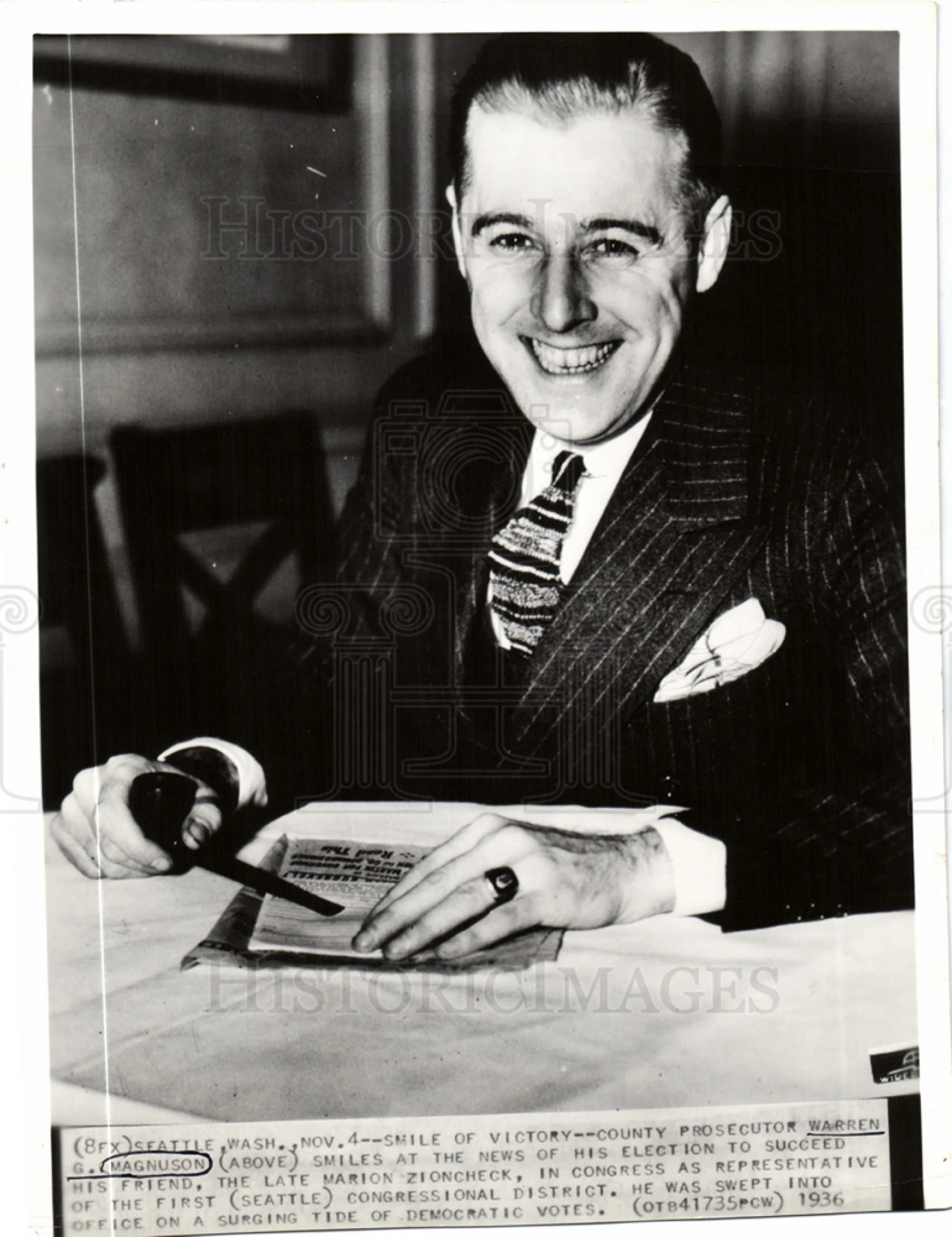
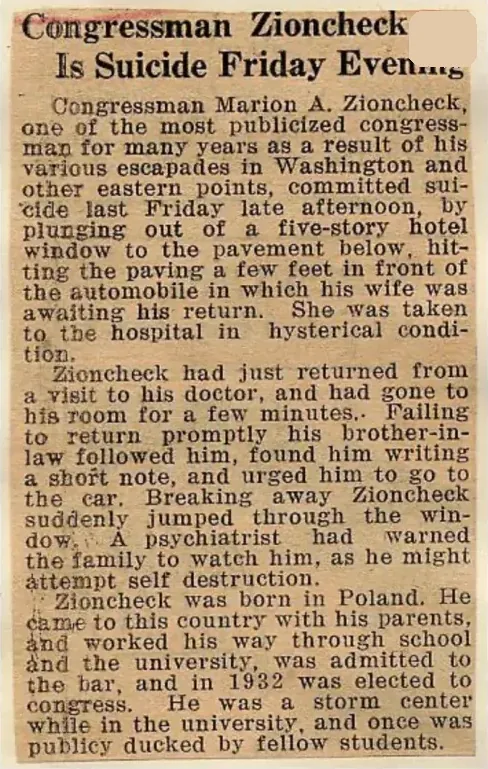
Marion Zioncheck was a U.S. congressman from Washington. His death in Seattle on August 7, 1936 was reported as suicide following a fall from his fifth-floor office.
This project challenges that account. Its collected analyses question the reported movements inside the office, the interpretation of photographs, witness accounts, and the surrounding institutional history.
Five volumes bring together photographs, newspaper reports, personal records, and an argument for re-examining what happened in Seattle on August 7, 1936.
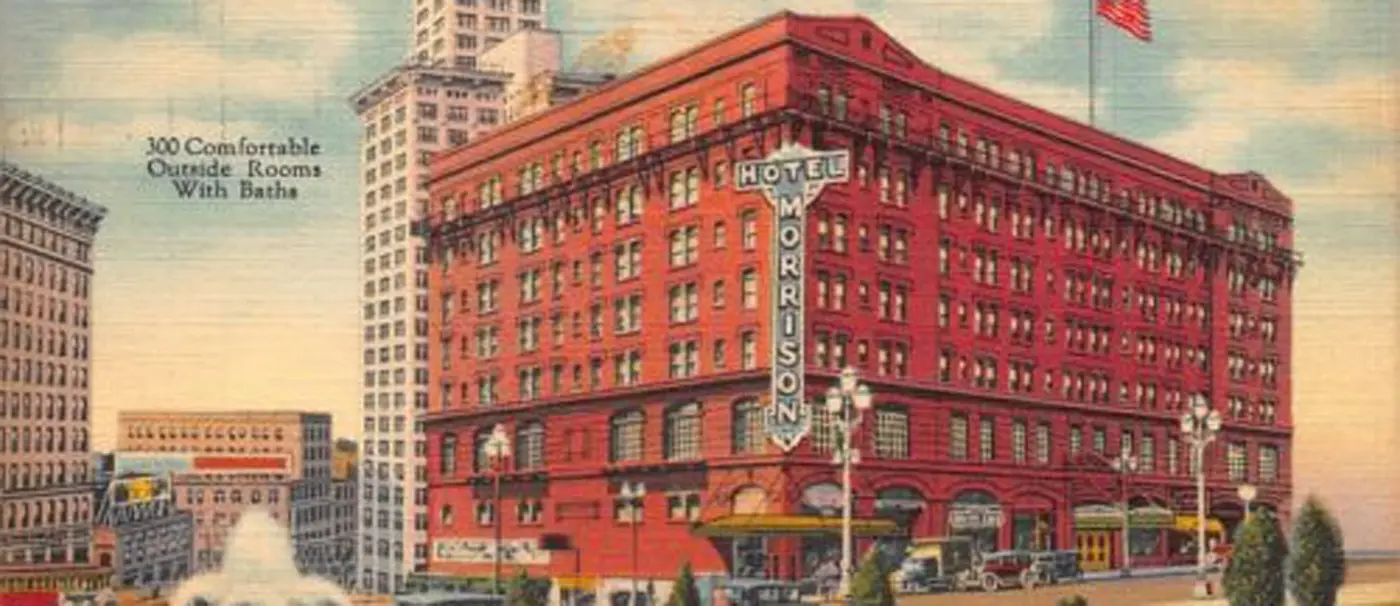
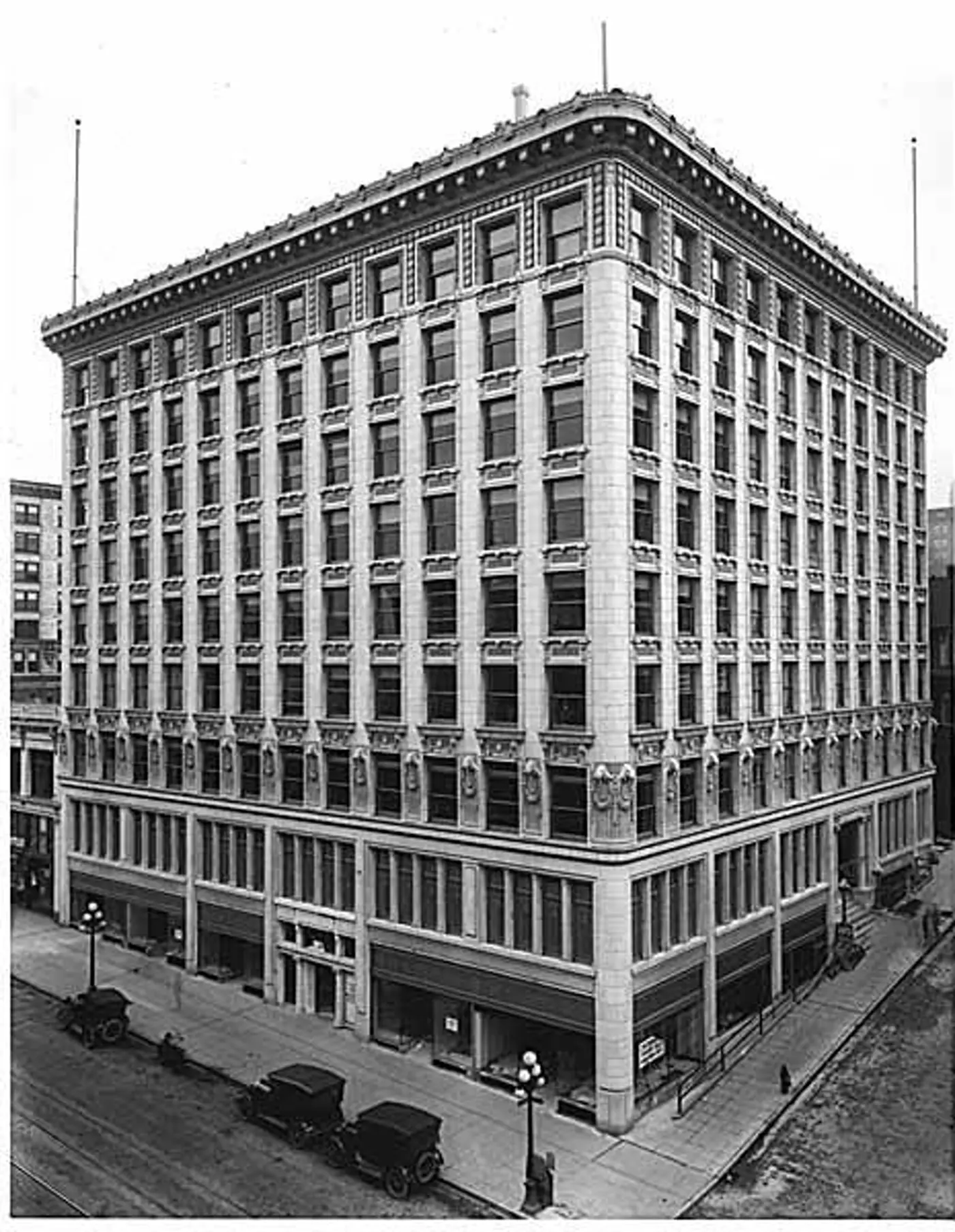
Volume IV identifies two distinct locations and argues that merging them compressed the evening’s sequence.
Old Arctic Club / Morrison Hotel501 3rd Ave · Vic’s Alaskan Cigar Store · postcard c. 1942New Arctic Building3rd Ave & Cherry St · Zioncheck’s 5th-floor office · ca. 1917
Volume IV: press and police meshed these two distinct buildings. Vic was in the old building; Marion’s office was in the new.
The morning papers
How the death reached print
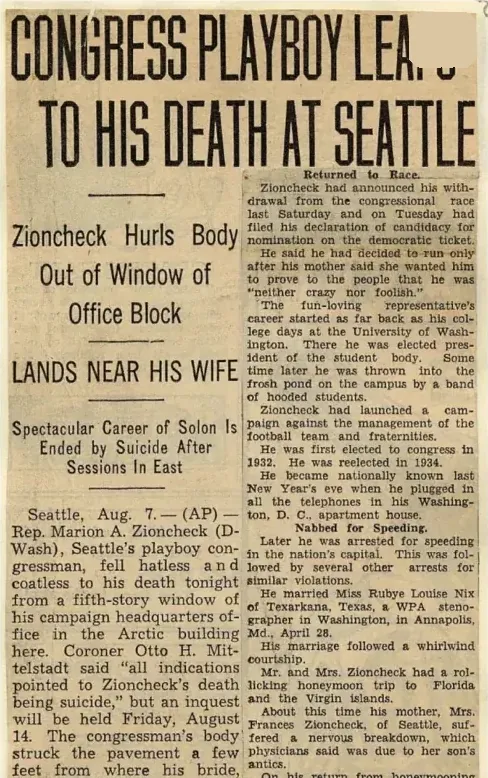
Contemporary clippingAs preserved in Volume II, PDF p. 4 · Open in the reader
The August 8 report in Volume II says Marion re-entered the congressional race to show the public he was neither crazy nor foolish. That explanation makes public appearances part of his response to the image attached to him. The archive also preserves headlines centered on his behavior, while Volume V discusses his planned political speech and conflict with powerful institutions.
Official-account clippingAs preserved in Volume I, PDF p. 18 · Open in the reader
The return west
Safe conduct, then the train
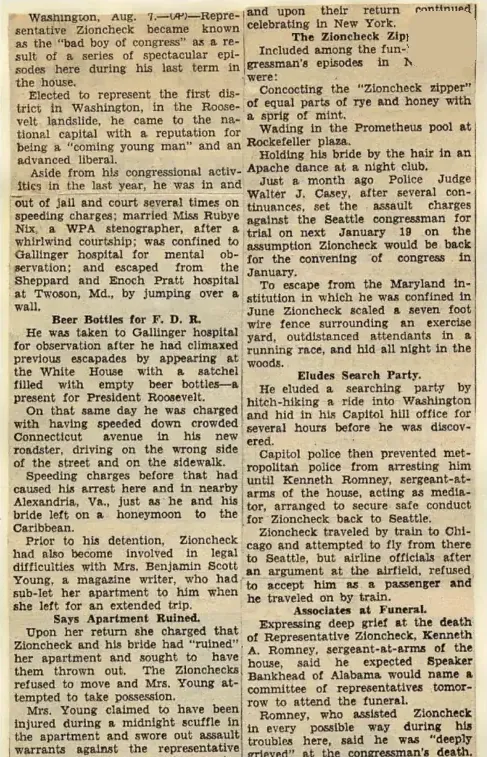
Volume II continuationRomney, the airline refusal in Chicago, and the train west · PDF p. 5 · Open in the reader
The contemporary account reproduced in Volume II describes Kenneth Romney, the House sergeant-at-arms, arranging safe conduct back to Seattle after Marion’s escape from the Maryland institution. It says Capitol police intervened to prevent another arrest, and that Marion ultimately traveled west by train after an airline refused him passage in Chicago.
The photographed note
House stationery, visible creases
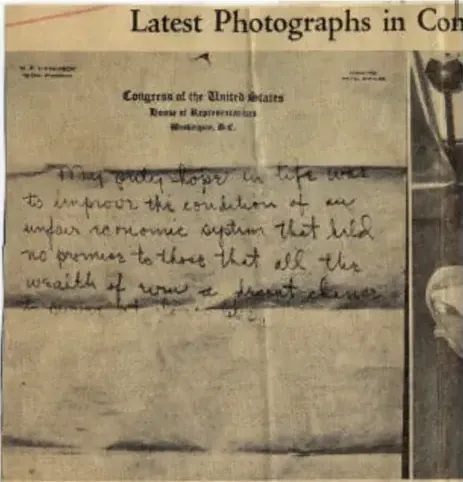
Photographed noteHouse of Representatives stationery · Volume II, PDF p. 13 · Open in the reader
Volume II reproduces the handwritten note on House of Representatives stationery, with visible horizontal and vertical creases. Its text concerns an unfair economic system and the chance to survive and live. That political language connects this entry to the dinner speech discussed in Volume V.
Marion and Rubye
The wife in the car below
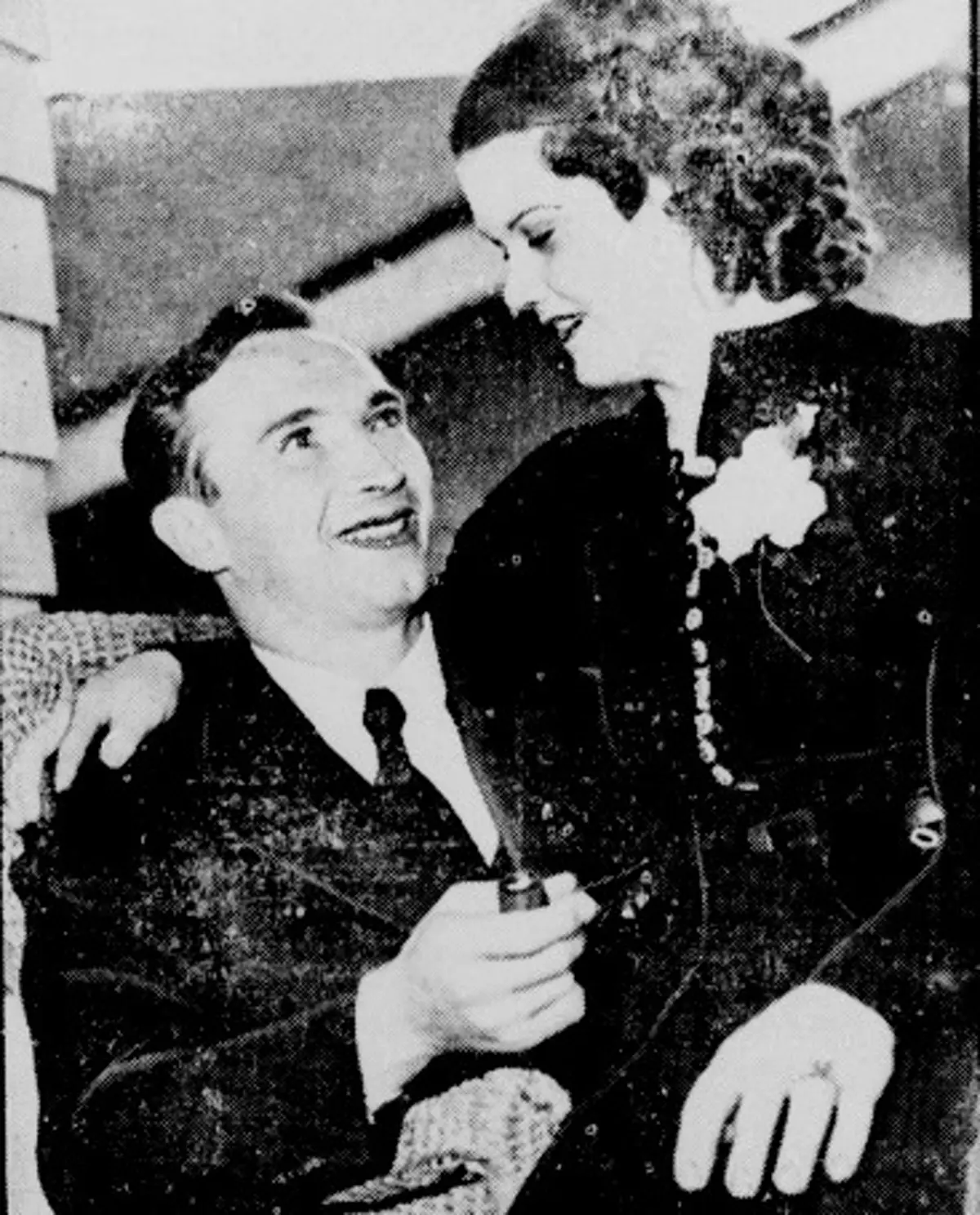
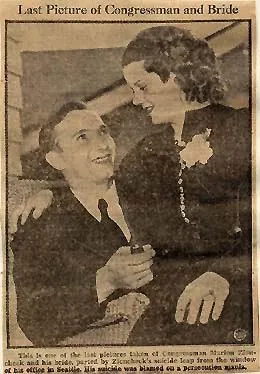
Marion and RubyeMarion A. Zioncheck with Rubye Louise Nix · 1936Last picture of congressman and brideSupplied clipping · Marion with Rubye Louise Nix · not a volume-page facsimile
Photographs of the record
What a plate can establish
Observation and publicity
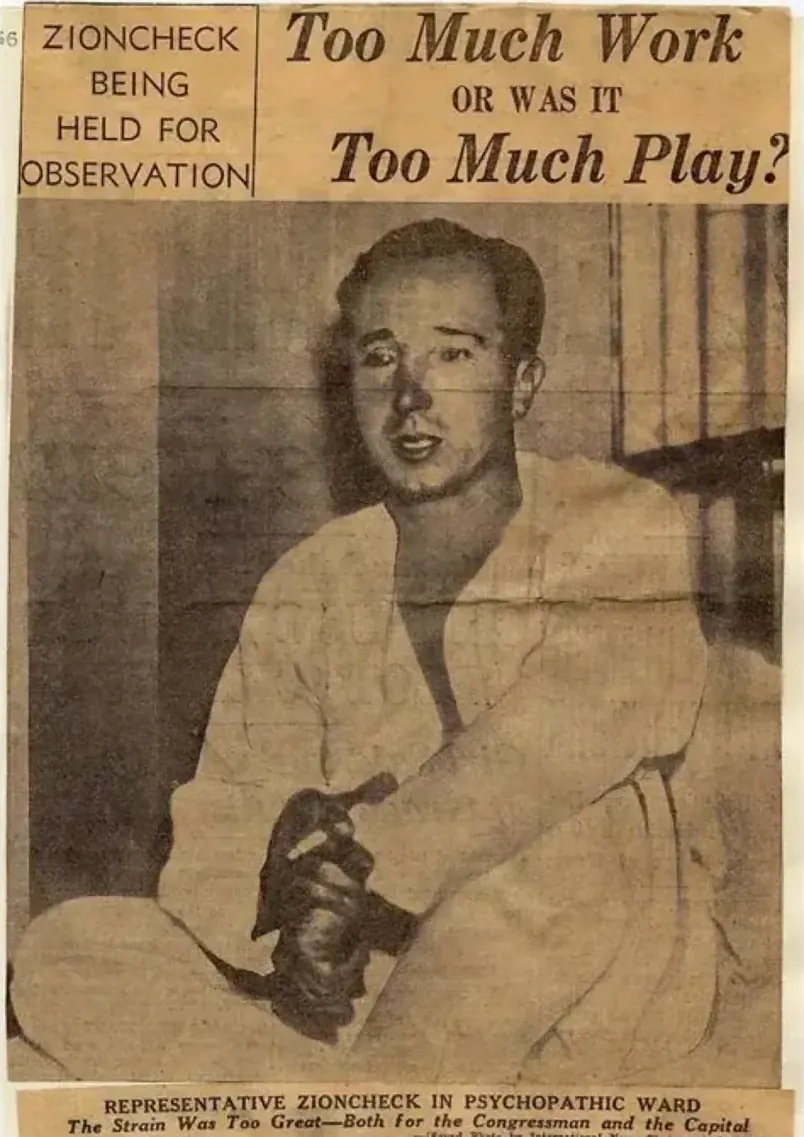
“Too much work or was it too much play?”
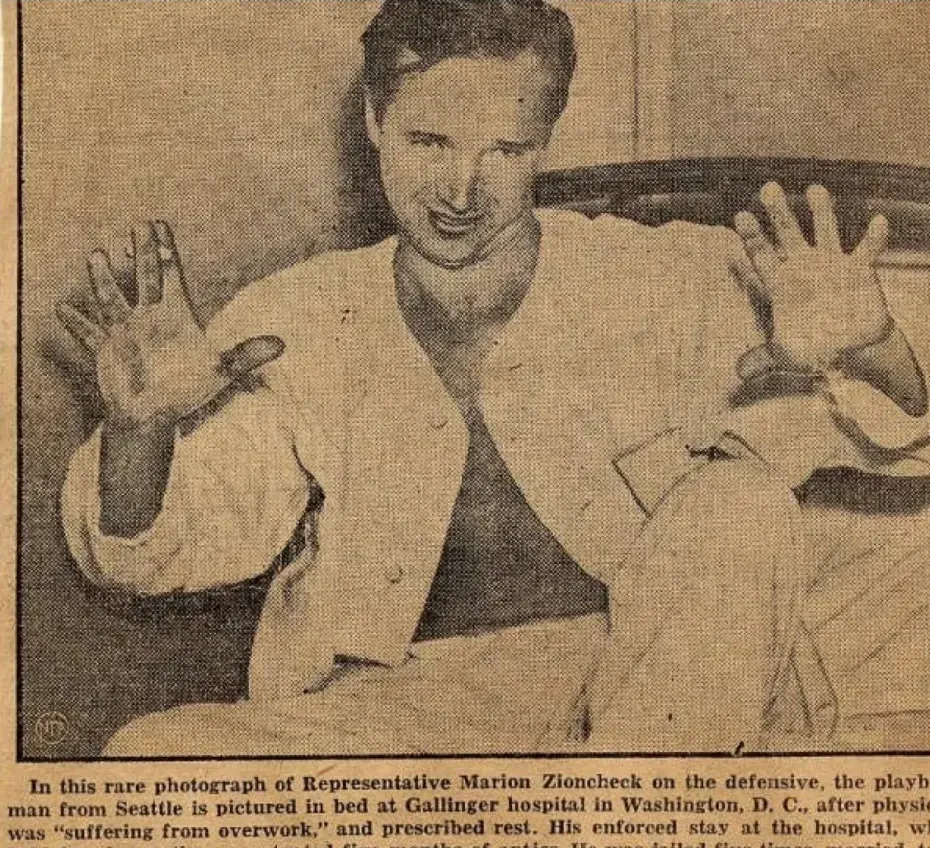
Hospital-observation plateAs preserved in Volume I, PDF p. 4 · Open in the readerGallinger Hospital photographAs preserved in Volume I, PDF p. 5 · Open in the reader
Witnesses
Few names, one first story
Volume V places Sol Krems in two roles: a named witness at the scene and the newspaper figure it credits with the first story. It contrasts that named role with references to scores of unnamed witnesses.
The political record
A speech that was never given
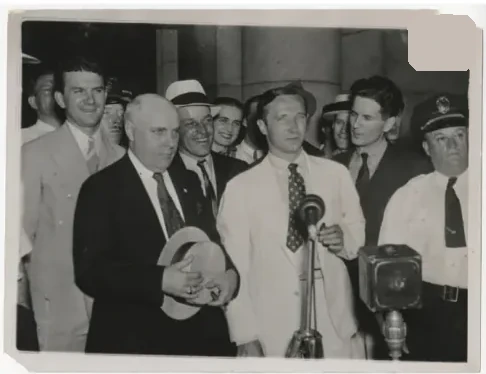
Speaking at a microphonePlate caption: Marion A. Zioncheck, June 30, 1936 · Volume III, PDF p. 8 · Open in the reader
The press image
The bogeyman of Washington politics
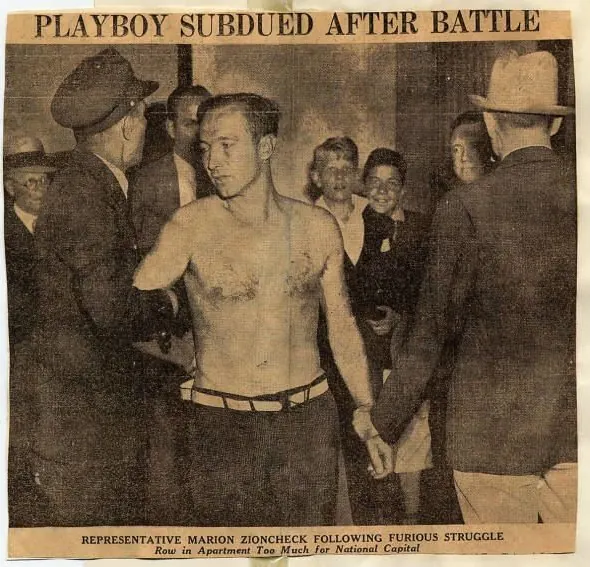
Contemporary compositeSupplied clipping · “When you call me that—smile” / bogeyman disguise · not a volume-page facsimileHoover-era press sheetSupplied crop of the Volume I sheet · J. Edgar Hoover in the adjoining column · playboy-legislator arrest · Open in the readerApartment rowSupplied clipping · “Playboy Subdued After Battle” · row in apartment too much for national capital · not a volume-page facsimile
A comparison from the same summer
Chicago, twenty-nine days earlier
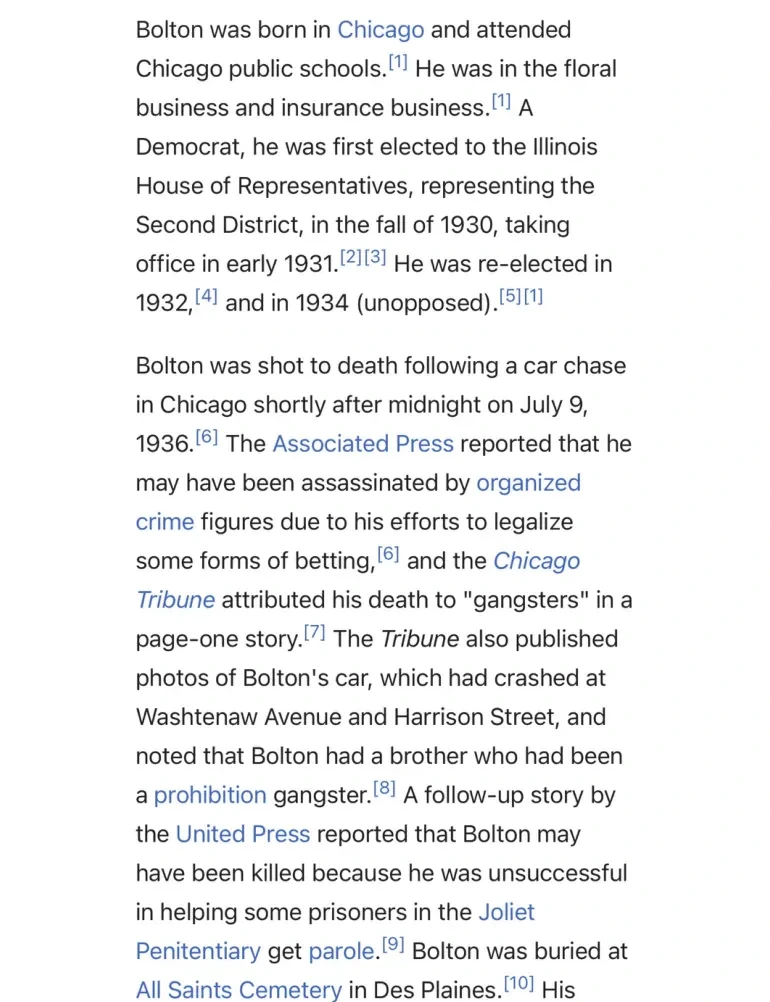
Bolton materialAs preserved in Volume III, PDF p. 3 · Open in the reader
The closed file
The record that is still requested
The mother’s record
The cause as written
Mrs. Frances Zioncheck · vital recordAs preserved in Volume III, PDF p. 5 · Open in the reader
02 / The case explained
Inquiries of the Record
Twenty-three questions woven through this edition. Jump to a boxed inquiry. The people, photographs, speeches, and records at the center of the investigation.
Volume I ↗Primary documents & forensic analysisCollected clippings, photographs, and document images preserve the material examined in the investigation.Download PDF ↓Volume II ↗News coverage & family battlesContemporary reporting records the public narrative and the family’s legal and estate disputes.Download PDF ↓Volume III ↗Personal photographs & research materialsPersonal images, funeral-related material, and research notes trace the wider historical record.Download PDF ↓Volume IV ↗The physics caseThe analysis challenges the reported office sequence through window clearance, timing, and witness proximity.Download PDF ↓Volume V ↗The human evidenceThe analysis examines witness accounts, institutional conflict, and proposed motives behind the death.Download PDF ↓
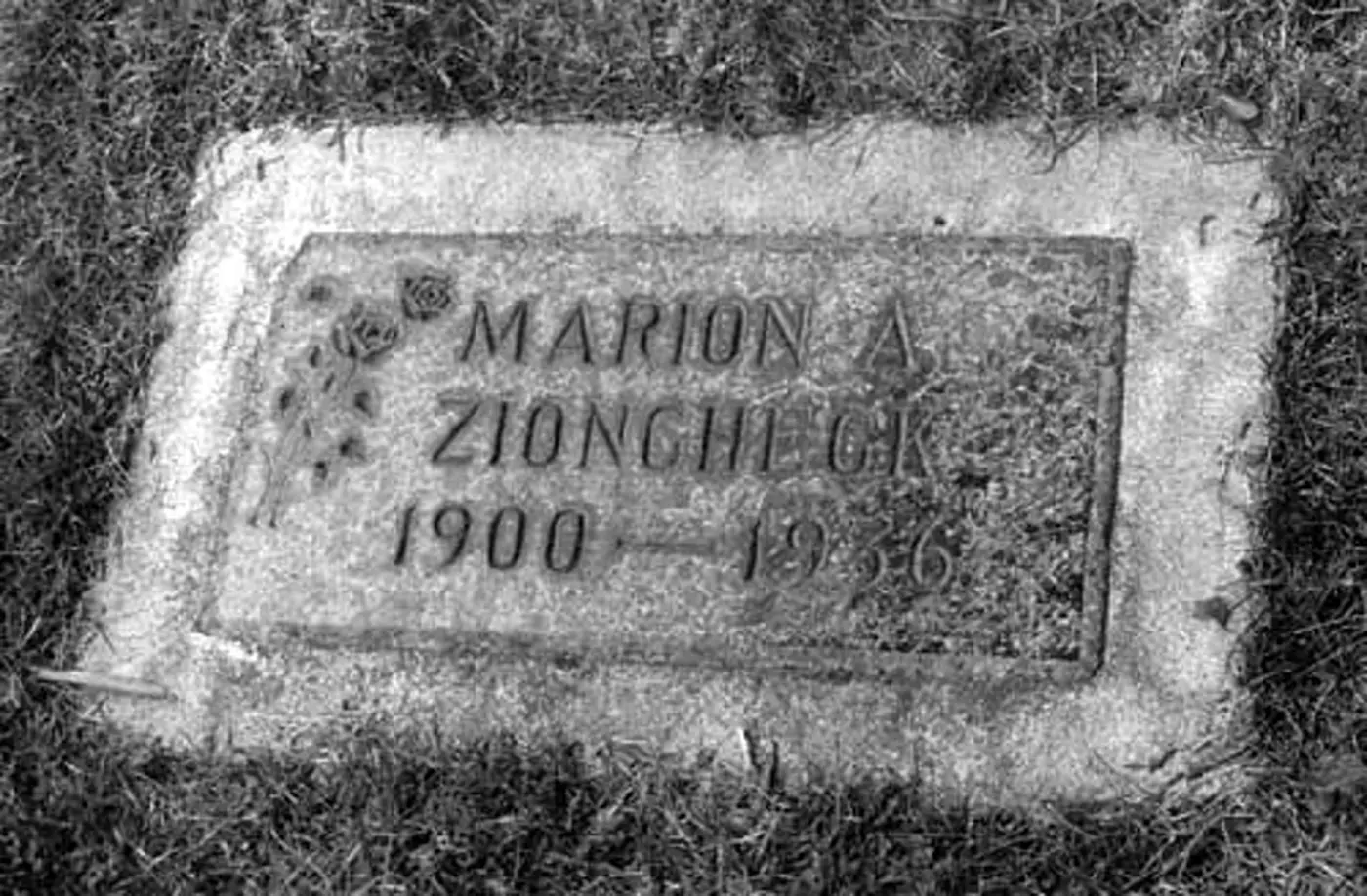
Marion A. ZioncheckGravestone, black and white · Evergreen-Washelli · flat marker · 1900–1936